
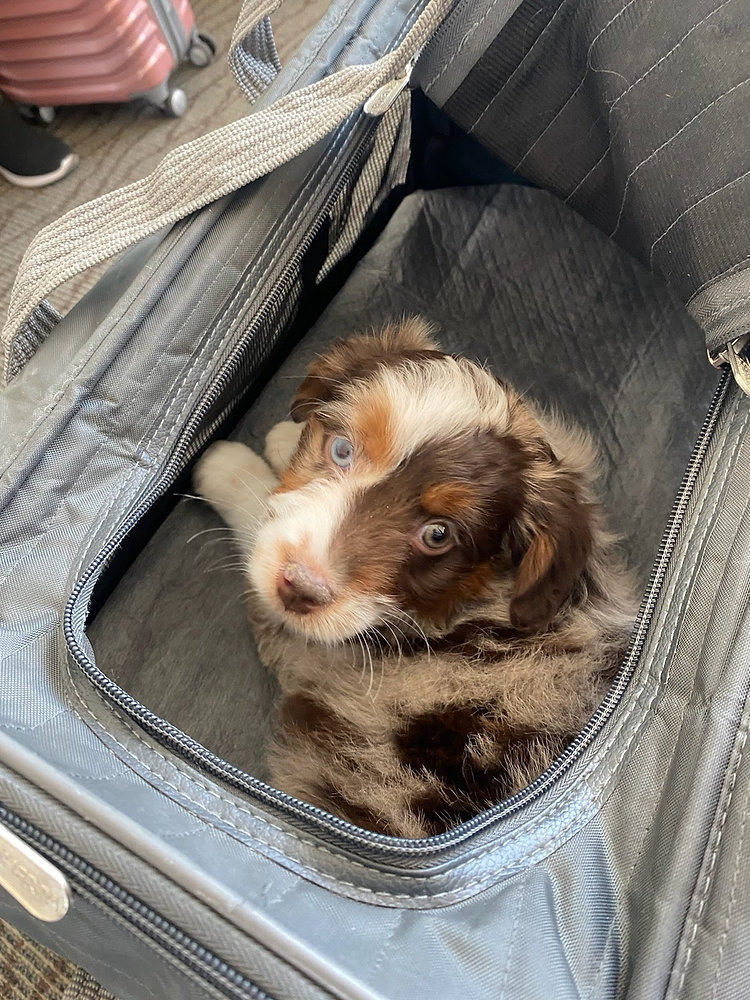
What if my Pet Gets Carsick During Long-Distance Ground Transport
A common concern for pet owners is: What if my pet gets carsick during long-distance ground transport? Motion sickness can happen to dogs and cats, but professional transporters are prepared to handle it with care and safety in mind.
Signs of Carsickness
Pets may show carsickness through:
Drooling or licking lips
Whining or restlessness
Vomiting during the ride
How Transporters Handle It
When it comes to what happens if a pet gets carsick during long-distance ground transport, professionals know how to respond:
Regular stops: Breaks about every three hours help pets settle and recover.
Clean environment: Carriers are kept clean with fresh pads or bedding if an accident occurs.
Hydration: Fresh water is offered once the pet is calm and comfortable.
Owner instructions: Transporters always follow any special notes about medications, feeding, or sensitivity to travel.
Reducing the Risk of Carsickness
Pet owners can help by:
Feeding a light meal before travel (not right before pickup).
Providing familiar bedding or a toy for comfort.
Sharing any history of carsickness with the transporter ahead of time.
The Bottom Line
If you’re wondering what if my pet gets carsick during long-distance ground transport, the answer is that transporters are trained to manage it safely. With preparation, breaks, and careful attention, most pets travel comfortably even on longer trips.